
E-Games Revolution: The Future of Gaming Unfolds
Explore the latest trends and future directions in the gaming industry, as virtual reality and esports reshape the digital entertainment landscape.


The world of egames continues to expand at an unprecedented pace, proving to be a formidable force in the entertainment industry. As we enter 2025, the dynamics of gaming have evolved significantly. With technological advancements in virtual reality and augmented reality, players now immerse themselves in worlds that were once the realm of science fiction.
The gaming industry is not just about entertainment; it has morphed into a cultural phenomenon. Esports events draw millions of viewers worldwide, rivaling traditional sports in audience size and engagement. Major tournaments see teams from across the globe competing for prestige and lucrative prizes, highlighting the competitive and social facets of gaming.
Companies like Epic Games, Valve, and Riot Games lead the charge, pushing the boundaries of what's possible. The integration of AI has personalized gaming experiences, adapting to individual player styles and preferences, making games more engaging than ever before.
In tandem with these technological innovations, there’s an ongoing conversation about the social responsibilities of gaming companies. Topics such as digital well-being, screen time regulation, and inclusivity are at the forefront of industry discussions. The balance between immersive experiences and health considerations remains a key focus.
Looking ahead, the intersection of blockchain technology and gaming presents new opportunities and challenges. Digital asset ownership through NFTs and decentralized gaming platforms could redefine how players interact with games and own digital content.
With these advances, 2025 is set to be a landmark year for egames, offering a glimpse into a future where the lines between the virtual and real world become increasingly blurred. As the industry grows, it will continue to shape not only how we play games but how we understand entertainment as a whole.

If you're looking for a reliable, fully licensed, and secure sportsbook with a wide selection of games, egames is the perfect choice. We're committed to providing you with the best online betting experience, with premium quality, excellent service, and continuous innovation. Sign up now and receive ₱777 for free!
Join now
Get the latest information, experience and betting strategies from the expert team at egames.
Explore the latest trends and future directions in the gaming industry, as virtual reality and esports reshape the digital entertainment landscape.

An in-depth look at the growth and transformation of eGames in recent years, focusing on technological advancements, market changes, and community impact.

Exploring the booming eSports industry and its impact on gaming in 2025.

Explore the latest advancements and trends in the world of eGames in 2025, focusing on esports, VR technologies, and community engagement.
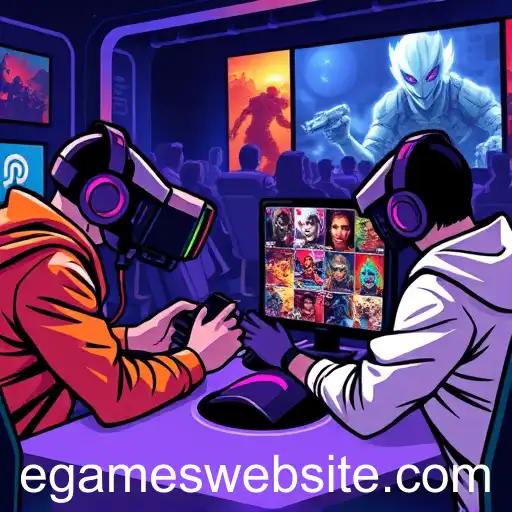
Exploring the dynamic landscape of eGames in 2025, highlighting current trends, technological advancements, and the future of gaming.

Exploring the impact and future prospects of eGames in the modern era, highlighting technological advancements and societal trends.
 Join now