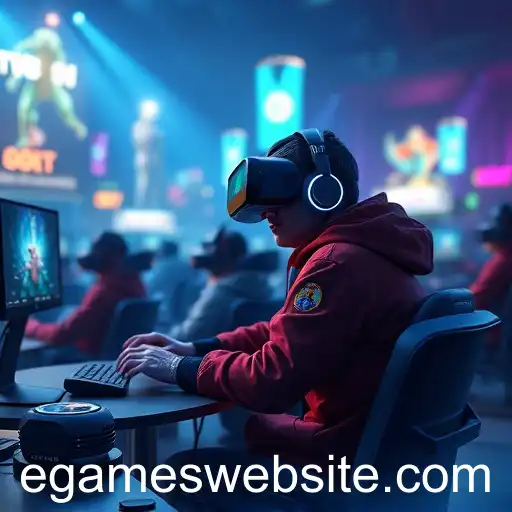
The Rising Influence of Egames in Modern Culture
Egames are reshaping entertainment, with virtual reality and eSports driving global engagement.


The e-gaming industry has undergone a substantial transformation in recent years, evolving into a dominant force in both entertainment and competitive circles. As of 2025, e-gaming, more commonly referred to as eSports, has become a global phenomenon, redefining how games are played, watched, and monetized.
Driven by advancements in technology, particularly in virtual reality (VR), e-gaming has provided players with increasingly immersive experiences. The integration of VR and augmented reality (AR) into gaming platforms has enabled a level of engagement that was once the realm of science fiction.
The economic impact of e-gaming is unprecedented, with estimates suggesting the industry will surpass several other entertainment sectors in revenue generation. Major brands and sponsors have heavily invested in eSports, recognizing its potential to reach younger, tech-savvy audiences. Gaming tournaments now command audiences that rival traditional sporting events, with international competitions being broadcasted live to millions of viewers worldwide.
Furthermore, the social dynamics of gaming have shifted significantly. The stereotype of solitary gaming sessions in dimly lit rooms has been replaced by vibrant communities that connect across continents. Online platforms enable players to engage with a global audience, sharing strategies, participating in cooperative mission-based gameplay, and forming social bonds.
Notably, educational systems are beginning to include eSports as a legitimate extracurricular activity, with scholarships and structured programs that focus on developing cognitive and strategic skills. As schools recognize the skills gained from gaming, including teamwork, critical thinking, and the ability to quickly adapt to new situations, e-gaming is poised to play an integral role in future curriculums.
Despite its growth, the industry faces challenges, such as regulatory oversight and the need for standardized governance. The development of fair play policies and anti-cheating technologies is essential to ensure integrity within the eSports community.
Overall, as 2025 progresses, the narrative around e-gaming continues to evolve, painting a picture of innovation, societal change, and untapped potential. It is an exciting time for stakeholders, whether they be players, developers, or investors, as they navigate this dynamic landscape.

If you're looking for a reliable, fully licensed, and secure sportsbook with a wide selection of games, egames is the perfect choice. We're committed to providing you with the best online betting experience, with premium quality, excellent service, and continuous innovation. Sign up now and receive ₱777 for free!
Join now
Get the latest information, experience and betting strategies from the expert team at egames.
Egames are reshaping entertainment, with virtual reality and eSports driving global engagement.

Explore the significant impact of eGames on culture and technology as they continue to revolutionize the entertainment industry.
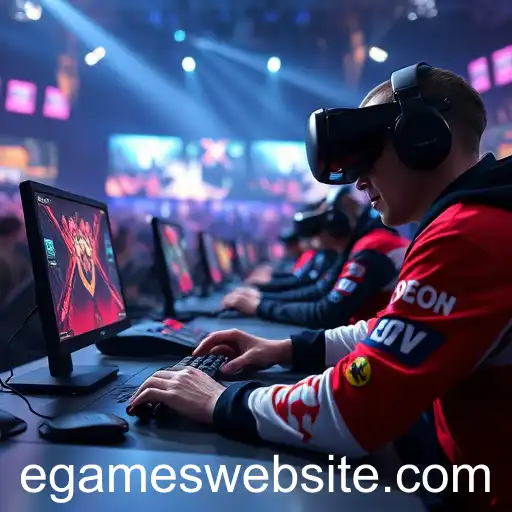
An exploration of how egames have become an integral part of modern entertainment and culture.
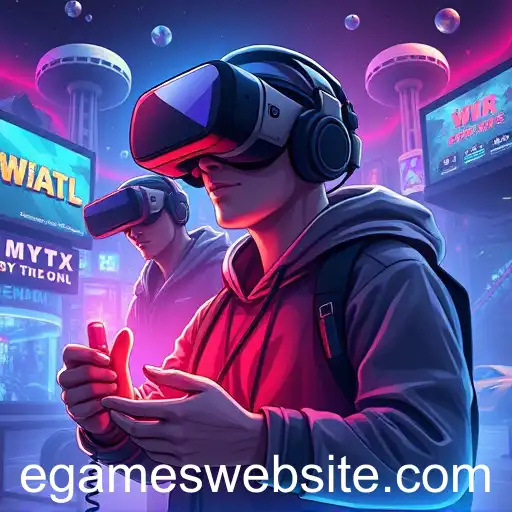
Exploring how eGames and virtual reality are transforming the digital landscape.

Explore the transformative journey of eGames in 2025, touching on industry trends, technological advancements, and societal impacts.

Explore the latest advancements and trends in the world of eGames in 2025, focusing on esports, VR technologies, and community engagement.
 Join now